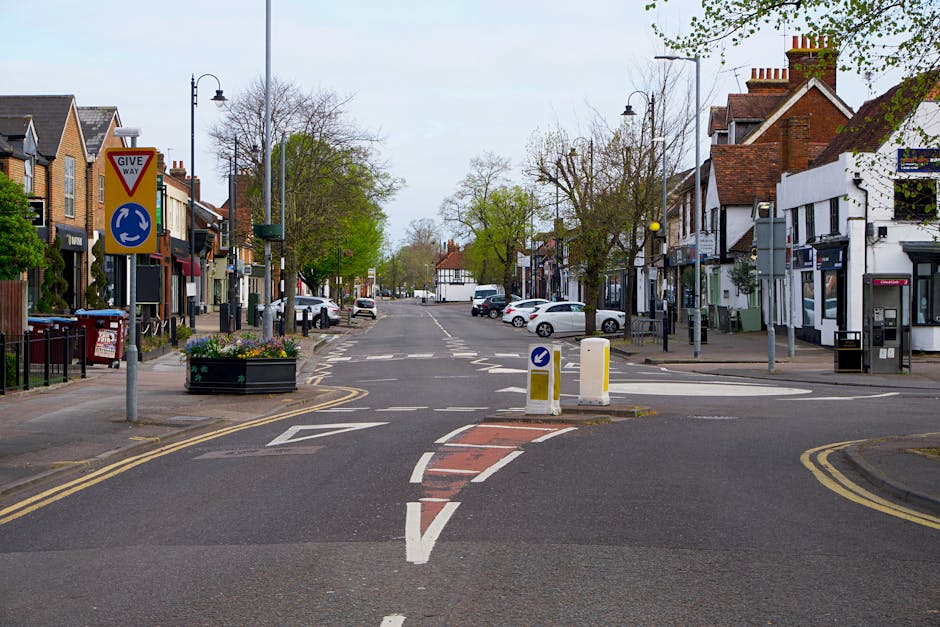
North Street Guildford Access Tips for Removals
If you are planning a move on North Street in Guildford, the access details can make the day feel either smooth or slightly chaotic. Narrow approaches, parking pressure, awkward timing, and the usual "where exactly can the van stop?" moment all matter. That is why North Street Guildford access tips for removals are worth sorting early, not the night before. In this guide, you will find practical advice for planning, loading, parking, permissions, and choosing the right removal setup for the street and the type of property you are moving from. Let's make it easier, because to be fair, moving is stressful enough already.
Why North Street Guildford access tips for removals Matters
North Street sits in the kind of location where small access issues can quickly become big time sinks. A removal van that cannot stop close enough to the entrance means more carrying, slower loading, and more chances for something to get knocked. If there is a narrow pavement, limited waiting space, or busy foot traffic, even a modest household move can turn into a juggling act.
Access planning matters because removals are not just about transport. They are about distance, timing, and how well the property connects to the vehicle. A good mover will think about whether a man with a van setup is enough, whether a larger removal truck hire option makes sense, and how the team will handle loading if the road space is tight. That choice alone can save you a lot of wasted effort.
Truth be told, most moving problems on streets like this are not dramatic disasters. They are little practical snags: a door held open too long, a van blocking the wrong side, a sofa that needs a second attempt because the angle is off by a few inches. You can avoid a lot of that with a bit of forethought.
Expert summary: The smoother the access, the faster the move. On North Street, the goal is to reduce carry distance, avoid parking surprises, and choose a removal plan that suits the road, the property type, and the amount of furniture involved.
If you are still comparing the kind of help you need, it can also be useful to browse the wider removal services offered for different move sizes and property types.
How North Street Guildford access tips for removals Works
Good access planning starts before moving day. You look at the property, the street, the furniture, and the timing. Then you match those details with the right vehicle, crew size, and loading approach. In simple terms, it works like a small logistics puzzle.
Here is the usual flow:
- Check the property entrance. Measure doorways, stair widths, hall turns, and any sharp bends inside the building.
- Assess road access. Think about where a van can safely stop, whether it can turn, and how far items must be carried.
- Match the vehicle to the job. A smaller van can be easier in tight spots, while larger loads may need a bigger vehicle or more than one trip.
- Plan loading order. Heavy or bulky items should be staged first, but only if they can be moved out cleanly without blocking the exit.
- Protect the route. Use floor protection, door padding, and clear walkways so the move does not damage the property.
- Time the move sensibly. Try to avoid peak congestion where possible. A slightly earlier start can make the whole day calmer.
For flats, maisonettes, and upper-floor homes, access usually becomes more about stairs, lift use, and carrying distance. If that sounds like your situation, the flat removals page may help you decide what kind of support is realistic.
For larger homes, the picture changes again. There is often more furniture, more boxes, and a wider loading plan to manage, which is why house removals and home moves are usually better approached with a more detailed pre-move survey. You do not want to be guessing about the sofa on the morning. Nobody enjoys that bit.
Key Benefits and Practical Advantages
Getting the access right on North Street is not just a convenience. It has a direct impact on the whole move.
- Less carrying distance: Shorter carries reduce fatigue and the chance of bumps or drops.
- Faster loading and unloading: When the van can stop close by, the team works more efficiently.
- Lower damage risk: Fewer tight manoeuvres usually mean fewer scuffs, scrapes, and accidental knocks.
- Better time control: A realistic access plan helps keep the schedule under control, even if the day runs a bit unevenly.
- More accurate quotes: When access is described properly, pricing can reflect the real workload rather than a rough guess.
- Less stress for you: Simple as that. A move feels far more manageable when the access is sorted early.
There is also a practical money angle. A move with awkward access can take longer, and time is a real factor in removals. If you are comparing costs, it is worth checking the pricing and quotes information before you book. A clear picture of access helps avoid unpleasant surprises later.
One thing people sometimes overlook: a tightly parked van can be more difficult to work around than they expect. The right vehicle size is not always the biggest one. Sometimes the smaller, more manoeuvrable option is the smarter choice. You know, the one that fits the street without drama.
Who This Is For and When It Makes Sense
This advice is useful for a wide range of movers, but it is especially valuable if any of the following sound familiar:
- You live on or near a narrow street with limited stopping space.
- You are moving from a flat, upper-floor property, or a building with shared access.
- You have large furniture such as wardrobes, sofas, or dining tables.
- You need to coordinate a quick load because parking time is tight.
- You are moving with children, pets, or older relatives in the property, which can make the day feel busier than expected.
- You are moving a business or office where timing and access interruptions matter.
For commercial relocations, access planning can be even more important because there may be more equipment, fewer flexible hours, and more pressure to minimise downtime. If that is your situation, the commercial moves and office removals pages are worth a look.
Student moves can also benefit from this planning, especially around term-end congestion and shared building access. A small van, a tight time slot, and a pile of boxes can be fine if the route is planned properly. If not, it gets messy fast. The student removals option is often a good fit for that kind of move.
Step-by-Step Guidance
If you want to make North Street access easier on moving day, work through these steps in order. It sounds simple, and honestly, that is the point.
1. Walk the route from front door to van
Start inside the property and move all the way out to the roadside. Count steps, note tight corners, and look for anything awkward such as low ceilings, split-level landings, or tricky thresholds. If you need to lift furniture over several turns, you will want to know that in advance, not while holding a chest of drawers mid-stair.
2. Check where loading can happen safely
Do not assume the van can park directly outside. On busier streets, stopping space can be limited. Look for a sensible loading point that keeps the move legal, safe, and efficient. If the vehicle has to stop farther away, plan for extra carrying time.
3. Decide whether you need help with packing
Packing quality affects access more than people expect. Loosely packed boxes are harder to stack and more likely to shift. Well-packed items are easier to load quickly and safely. If you want the move to feel less frantic, packing and boxes support can be a real relief, and packing and unpacking services may save you from the last-minute scramble.
4. Match the vehicle to the street
For tight access, a smaller van may be easier to position and quicker to manoeuvre. For larger homes, bulky furniture, or multi-room loads, a bigger vehicle might still be the better call. If you are unsure, compare options like removal van, man with van, and moving truck services.
5. Protect the property and the route
Floor runners, blankets, and door protection are small things, but they matter. In a tight house move, one scratched wall can ruin the mood for the rest of the day. A professional team should think about the route as carefully as the destination.
6. Build in a backup plan
Sometimes access is fine on paper but awkward in practice. Maybe a neighbour's car appears, maybe a delivery arrives, maybe the lift is busy. Have a backup plan for staging items inside, adjusting the loading order, or making an extra run if needed.
7. Confirm the service type in advance
If your move is small and the access is straightforward, a more flexible service may be enough. If there are stairs, heavy items, or a lot of carry distance, you may need a fuller removal team. If you want a broader overview of what is available, the main removals page is a helpful starting point.
Expert Tips for Better Results
These are the small details that make a big difference. They are not glamorous, but they work.
- Label bulky items clearly. It helps the team load in the right order and avoid unnecessary reshuffling.
- Keep an access bag ready. Put keys, phone charger, documents, medication, and a bottle of water in one place.
- Measure the awkward items. Sofas, mattresses, mirrors, and wardrobes often cause access issues, not the boxes.
- Tell the mover about restrictions early. If there are height barriers, tight gates, timed parking areas, or controlled entry, say so upfront.
- Leave a clear corridor. Shoes, coats, toys, recycling bags - all the everyday clutter can slow the final carry out.
- Think about weather. Rain changes everything. A wet path can be slippery and a bit miserable, frankly.
- Use storage if timing is awkward. If completion times and access windows do not line up neatly, storage can give you breathing room.
One more practical point: if your property includes furniture you do not want to take to the new place, plan removal early. A pre-move clear-out can make access easier and reduce load time. In some cases, a separate furniture removals or furniture pick-up arrangement is the cleaner solution.
Common Mistakes to Avoid
Most access problems are avoidable. Usually. Here are the common mistakes we see most often:
- Assuming the street will be empty. North Street is not a private loading bay.
- Underestimating carry distance. Fifty metres sounds fine until you are doing it repeatedly with a heavy sofa.
- Not measuring furniture properly. The wardrobe that "should fit" often does not.
- Leaving packing too late. Half-packed boxes are awkward, weak, and slow to move.
- Forgetting about stairs and turns. Straight hallways are easy. Corners are the problem.
- Choosing the wrong vehicle size. Too big can be as awkward as too small.
- Not checking building rules. Shared entrances, lift bookings, and moving time windows can all matter.
A move can look fine in your head and still fail on the ground if one of those details is ignored. That is not a criticism, just a reality of removals. The street does not care how prepared you felt the night before.
Tools, Resources and Recommendations
You do not need a giant checklist app or complicated planning software to get this right. A few simple tools are usually enough:
- Measuring tape: For furniture, hallways, door widths, and stair angles.
- Phone notes or a written floor plan: Useful for listing awkward items and room order.
- Stackable boxes: Easier to carry and more stable in the vehicle.
- Furniture covers and blankets: Helpful where access is tight or surfaces are exposed.
- Labels and marker pens: Keep boxes grouped by room and urgency.
- Photo references: A few quick pictures of the entrance, stairs, and parking spot can help a mover understand the job before arrival.
If you are comparing removal providers, you may also want to review the company's trust and safety information. Pages like insurance and safety, health and safety policy, and about us can give you a better feel for how they operate. It is not glamorous reading, I know, but it does help.
For a straightforward enquiry or a move that needs tailoring, the best next step is often a direct conversation. If you want to talk through your access situation, use the company's contact us route rather than guessing.
Law, Compliance, Standards and Best Practice
For a local removal, the main compliance concerns usually come down to safe loading, road courtesy, and property protection rather than complicated legal issues. Still, good movers should work in line with accepted UK best practice.
That means respecting parking and loading restrictions, keeping pathways safe, avoiding obstruction where possible, and handling goods carefully. If the move affects a shared building, it is sensible to follow any site rules about lifts, access times, or protective coverings. For commercial jobs, the expectations are often a bit stricter because staff, visitors, and equipment may all be affected at the same time.
It is also sensible to check the supplier's policies on security, payment, complaints, and privacy. These do not directly change the street access, but they do build confidence before you book. Relevant pages include payment and security, terms and conditions, privacy policy, and complaints procedure.
Where sustainability matters to you, you can also check how unwanted items are handled. A thoughtful move may include reuse, recycling, or responsible disposal through the company's recycling and sustainability approach.
Options, Methods, or Comparison Table
If you are deciding how to handle a North Street move, the main choice is usually between a small flexible vehicle, a standard van setup, or a larger truck-based move. The right answer depends on space, furniture volume, and how much carrying is involved.
| Option | Best for | Access advantage | Possible drawback |
|---|---|---|---|
| Man with van | Small moves, a few rooms, lighter loads | More manoeuvrable on tighter streets | May require more careful packing and trip planning |
| Removal van | Medium-sized household or flat moves | Good balance between capacity and access | Can still struggle if parking is very limited |
| Moving truck | Larger homes, bigger volumes, fuller loads | Efficient when access is available | Harder to position on narrow or busy roads |
| Storage plus staged move | Moves with timing gaps or phased delivery | Takes pressure off access and completion timing | Requires extra organisation and possibly extra handling |
As a rule of thumb, if the street access is tight but the load is modest, smaller can be smarter. If the property is large and the road allows it, a bigger setup may still be the best option. That decision is worth making with the move itself in mind, not just the vehicle.
Case Study or Real-World Example
Picture a typical move from a first-floor flat near North Street. There is no huge driveway, the entrance is shared, and the lift is either unavailable or too small for the larger furniture. The resident has a sofa, a bed frame, several boxes, and a couple of awkward bookcases. Nothing outrageous, but enough to make access matter.
In that situation, the planning starts with the stairwell and the loading point. The mover confirms where the van can stop, which items should come out first, and whether the bed frame needs to be dismantled. The boxes are packed properly, the route is cleared, and the heavier items are staged near the door before loading begins.
The difference is noticeable. Instead of stopping to rethink every item at the doorway, the team works through the move in a calm sequence. There are still a few awkward turns - there always are - but the day stays manageable. That is what good access planning does. It removes little obstacles before they become arguments.
For a slightly larger move, perhaps a family house with extra furniture and a mix of rooms, the same process applies with more attention to vehicle size and timing. In some cases, the move may be easier if the owner uses temporary storage for a few bulky pieces rather than trying to do everything in one go.
Practical Checklist
Use this checklist the day before your move. It is simple, but it catches the usual problems.
- Have you measured the main furniture items?
- Have you checked the route from property to vehicle?
- Do you know where the van can stop?
- Have you shared access details with the mover?
- Are stairs, lifts, or entry codes confirmed?
- Have you packed boxes securely and labelled them clearly?
- Have you protected floors, corners, and door frames if needed?
- Have you set aside keys, documents, chargers, and essentials?
- Have you decided what is going to storage, recycling, or the new property?
- Have you checked any building or parking restrictions that may affect the move?
If you tick most of those off, you are in pretty good shape. If not, no panic. Just start with the route and the vehicle. That is usually where the biggest gain is.
Conclusion
North Street Guildford access tips for removals are really about one thing: making a busy day feel manageable. Once you understand the route, the parking, the vehicle size, and the shape of the property, everything becomes easier to organise. The move may still feel full-on - moving always does, a bit - but it will be less likely to spiral into delays or avoidable stress.
If you remember nothing else, remember this: plan the access before the boxes start moving. Measure the awkward bits, describe the street clearly, and choose a service that fits the space as well as the load. That simple shift can save time, reduce strain, and protect your furniture and your nerves too.
Get a free quote today and see how much you can save.
Frequently Asked Questions
What should I check first for a removal on North Street in Guildford?
Start with the route from the property to the van. Check the front door, stairs, hallways, parking space, and whether the vehicle can stop close enough to load safely. That one walk-through usually reveals most of the tricky bits.
Is a smaller van better for North Street access?
Often, yes. A smaller van can be easier to position on a tighter street and may reduce the chance of parking issues. But if you have a large amount of furniture, you still need enough capacity. It is a balance, not a rule.
Do I need to measure my furniture before booking?
Yes, especially for sofas, wardrobes, beds, and large appliances. People often worry about the van and forget the staircase. The furniture is usually the real test.
What if there is no parking right outside the property?
Then you need to plan for a longer carry from the van to the entrance. That may affect the time needed and the type of vehicle or crew you choose. Clear communication upfront is the easiest fix.
Can packing affect access on moving day?
Absolutely. Properly packed, labelled boxes are easier to stack and move. Loose, weak, or overfilled boxes slow everything down and can make the access route feel much more awkward.
How do I know whether I need full removals or just a man and van?
If the move is small and access is fairly straightforward, a flexible man and van style service may be enough. For larger homes or more complicated access, a fuller removal service is usually better.
What should I tell the removal company in advance?
Tell them about stairs, lifts, parking limits, height restrictions, tight corners, large furniture, and any timing constraints. The more accurate the picture, the more realistic the plan.
Is storage useful if access or timing is awkward?
Yes. If your completion date, parking window, or move-in access does not line up neatly, storage can bridge the gap and reduce pressure on the day.
Should I worry about damage in a tight access move?
It is something to plan for, not panic about. Good movers should use sensible protection, keep routes clear, and work carefully around corners, stairs, and door frames.
What if I need a same-day move because access has changed?
If plans change suddenly, a same-day option may help, depending on availability. It is not ideal, but it can be a practical fallback when timing becomes messy. The same-day removals page is useful for that kind of scenario.
Are there special considerations for office moves on North Street?
Yes. Offices often have stricter timing, more equipment, and more people moving around the same space. Access planning should cover loading points, lift use, IT equipment, and how to minimise disruption. For that, office relocation services can be a better fit than a basic move.
How can I get a better quote for my North Street move?
Give as much detail as possible: property type, number of floors, furniture sizes, road access, parking limits, and whether you need packing or storage help. Better information usually leads to a more accurate quote and a calmer moving day.